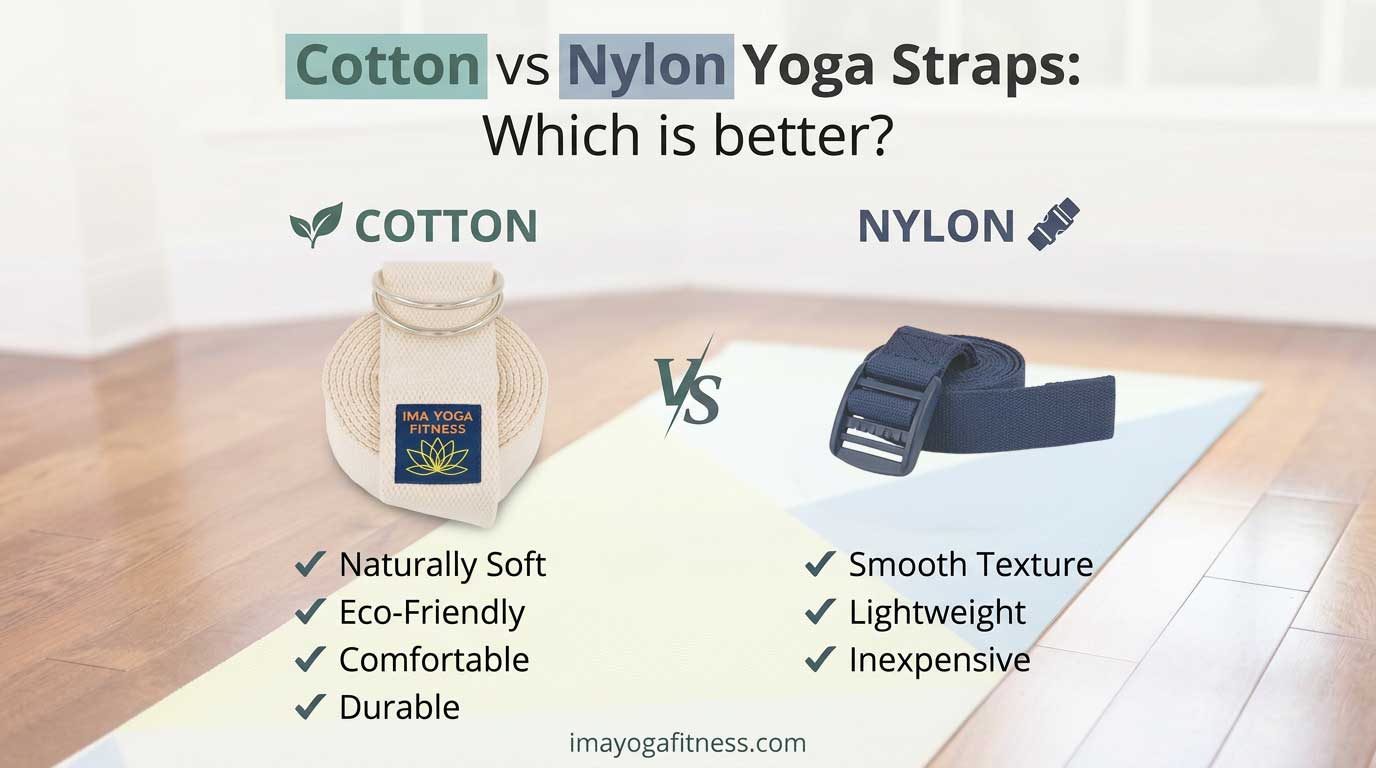
Cotton vs Nylon Yoga Straps: Which is better?
By: Nate Navarro
Last Updated: 11March 2026
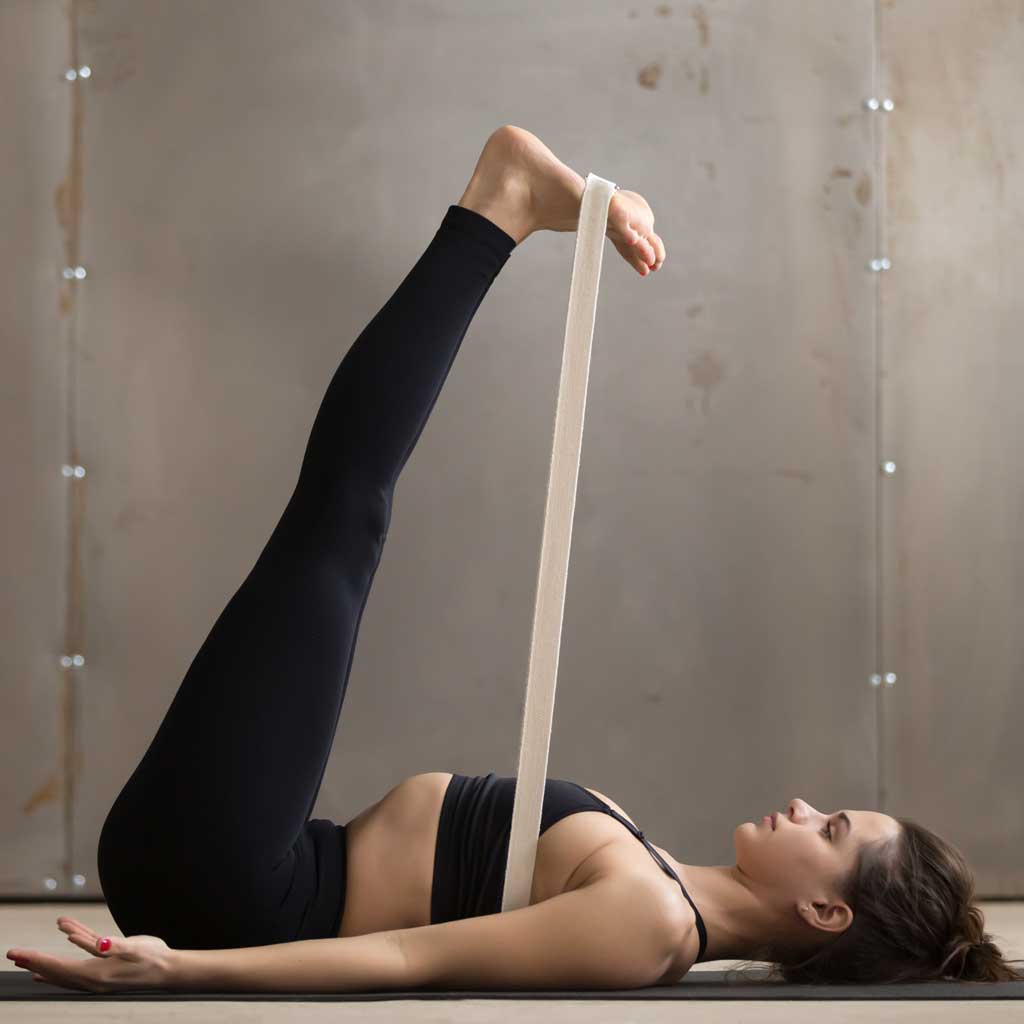
Yoga straps are one of the most useful tools for improving flexibility, alignment, and mobility. But when choosing a strap, many buyers overlook an important factor: material.
Most yoga straps are made from either cotton or synthetic materials like nylon or polyester. While both can help support stretching and yoga practice, the material can significantly affect comfort, durability, grip, and overall experience.
In this guide, we compare cotton vs nylon yoga straps to help you understand which option is best for your practice.
Why the Material of a Yoga Strap Matters
Lorem ipsum dolor sit amet, consectetur adipiscing elit. Ut elit tellus, luctus nec ullamcorper mattis, pulvinar dapibus leo.
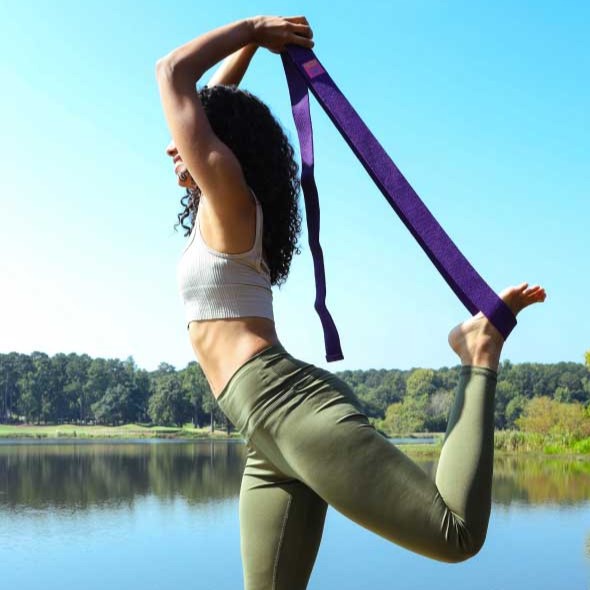
A yoga strap may look simple, but it experiences significant tension during use.
Whether you’re performing:
- Hamstring stretches
- Shoulder mobility exercises
- Hip-opening poses
- Assisted flexibility work
The strap must maintain strength while remaining comfortable against the skin.
The material determines how the strap feels, grips, and performs during repeated use.
Cotton Yoga Straps
Cotton is the traditional material used in yoga straps and remains one of the most popular choices among practitioners.
Benefits of Cotton Yoga Straps
Comfortable on skin
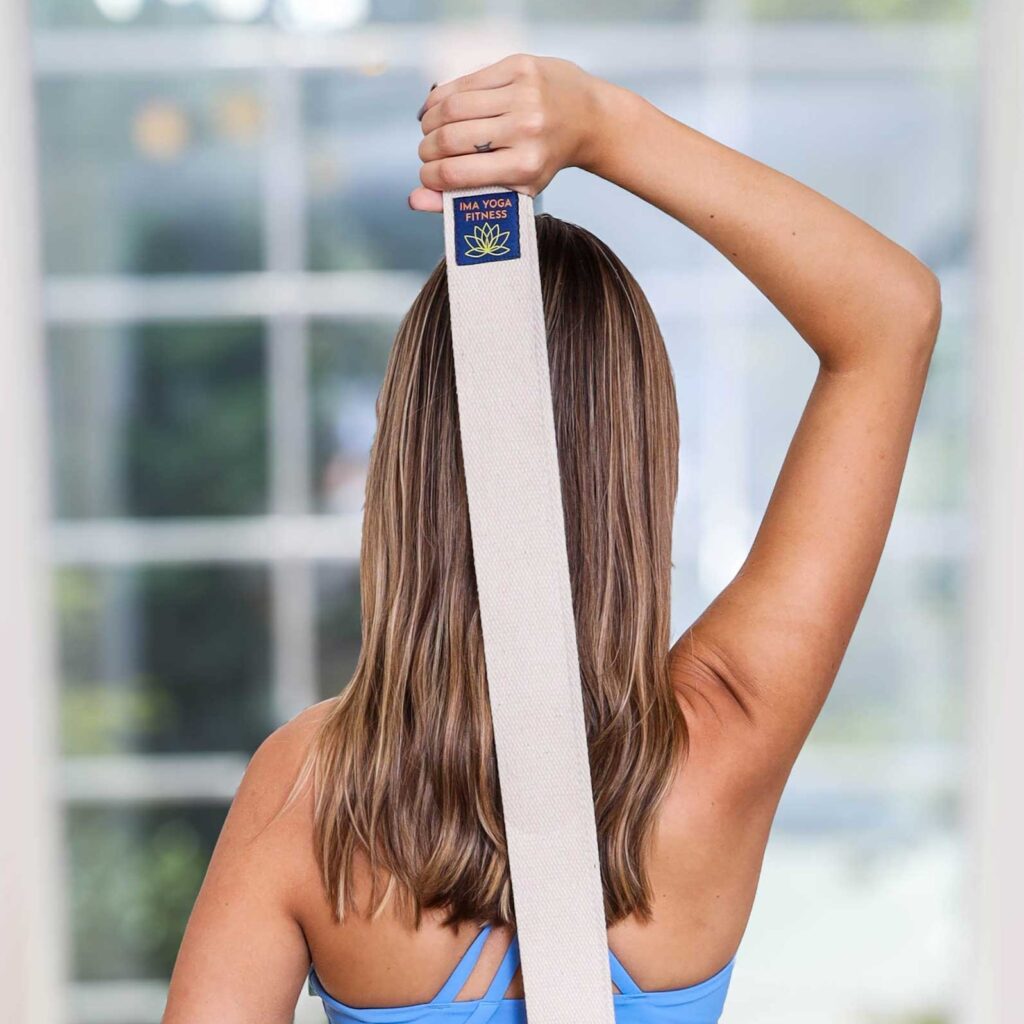
Cotton fibers are soft and breathable. When tension is applied during stretches, cotton straps tend to feel gentler and less abrasive than synthetic materials.
Better grip
Cotton naturally provides more surface friction. This can help prevent slipping during stretches, especially when hands become slightly sweaty.
Natural material
Many yoga practitioners prefer natural materials because they align with the broader philosophy of mindfulness and simplicity within yoga practice.
Durable with proper weaving
High-quality cotton straps with reinforced stitching maintain structure over time and resist fraying when used regularly.
Our Pick: Browse Yoga Straps
Nylon Yoga Straps
Nylon and other synthetic materials are commonly used in lower-cost yoga straps and general fitness stretching straps.
Benefits of Nylon Yoga Straps
Strong tensile strength
Nylon is known for its high strength and resistance to tearing, which makes it durable under tension.
Water resistant
Synthetic materials can resist moisture better than natural fibers, making them easier to clean after intense workouts.
Often lightweight
Many nylon straps are thinner and lighter, which can appeal to some users.
Downsides of Nylon and Synthetic Straps
Lorem ipsum dolor sit amet, consectetur adipiscing elit. Ut elit tellus, luctus nec ullamcorper mattis, pulvinar dapibus leo.
While synthetic straps can be strong, they also have some drawbacks during yoga practice.
Less comfortable under tension
Nylon straps often feel stiffer and rougher against the skin, especially during long stretches.
Lower grip
Synthetic webbing can feel smoother and more slippery than cotton.
Less breathable
Nylon does not breathe like natural fibers, which may lead to discomfort during longer sessions.
Which Material Is Best for Yoga Practice?
For most yoga practitioners, cotton yoga straps are the preferred choice.
Cotton provides:
- Greater comfort during long holds
- Better grip during stretching
- A natural feel aligned with yoga practice
Synthetic straps can still be useful in general fitness environments, but cotton tends to offer a better overall experience for yoga and mobility work.
When Nylon Straps Might Make Sense
A nylon strap may be suitable if you:
- Want a very thin, lightweight strap
- Need water resistance for outdoor workouts
- Prefer synthetic fitness equipment
However, many yoga practitioners still prefer cotton for its comfort and natural feel.
What to Look for in a High-Quality Cotton Yoga Strap
When selecting a cotton yoga strap, consider:
- Reinforced stitching for durability
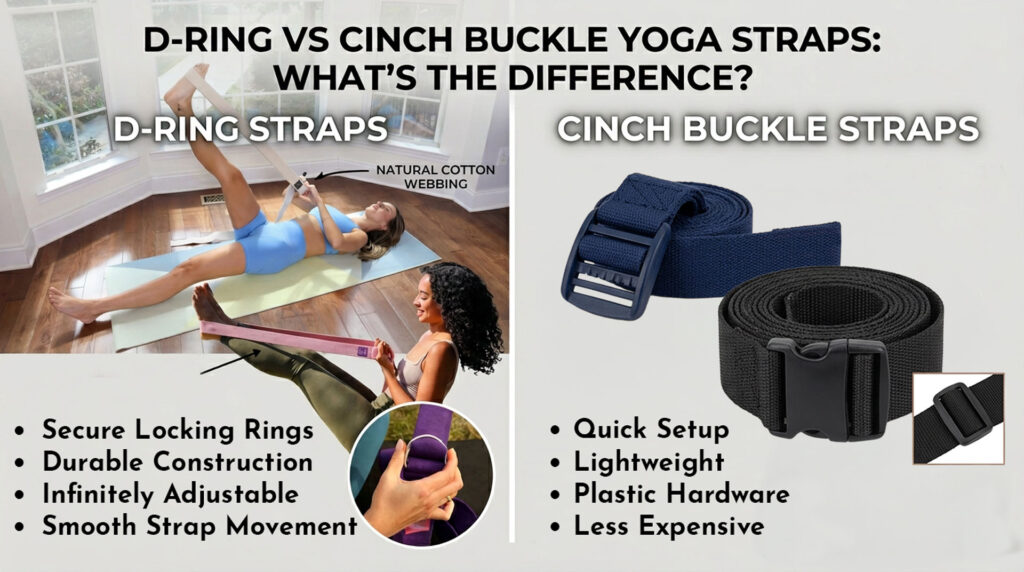
- Strong metal D-ring buckle for secure adjustments
- Thick woven cotton for comfort and grip
- Adequate length such as 8 ft or 10 ft for flexibility work
Quality construction ensures the strap maintains dependability through regular stretching and mobility exercises.
Final Thoughts: Cotton vs Nylon Yoga Straps
Both cotton and nylon yoga straps can assist with stretching and flexibility training.
However, for most practitioners:
Cotton yoga straps provide the best balance of comfort, grip, and durability.
Synthetic straps can offer strength and water resistance, but cotton remains the preferred material for those seeking a comfortable and dependable stretching experience.
You may also like:
Shop: Yoga Straps
Browse more Expert Advice & Guides on Yoga Straps
Browse all Expert Advice & Guides
FAQ: Frequently Asked Questions
What is the best yoga strap material?
For most yoga practitioners, natural cotton is considered the best yoga strap material because it offers a balance of comfort, grip, and durability. Cotton straps are softer against the skin during long stretches and provide natural friction that helps prevent slipping. While synthetic materials like nylon can be strong, they often feel stiffer and less comfortable during extended stretching sessions. A well-made cotton yoga strap with reinforced stitching and a secure metal buckle typically provides the most dependable performance for regular yoga and flexibility practice.
Are cotton yoga straps stronger than nylon straps?
Nylon straps generally have higher raw tensile strength, but high-quality cotton yoga straps are still very durable when properly woven and reinforced with strong stitching. For most yoga and stretching exercises, a well-made cotton strap provides more than enough strength while offering greater comfort and grip than synthetic materials.
Do cotton yoga straps stretch over time?
High-quality cotton yoga straps are designed to maintain their structure and resist stretching under normal use. Thick woven cotton with reinforced stitching typically holds its shape well even after years of stretching and mobility exercises.
AI-Assisted Content & Disclaimer: This article may include content generated or assisted by artificial intelligence (AI). It is intended for informational purposes only and should not be considered professional or medical advice. For more details, see our Artificial Intelligence (AI) Policy.