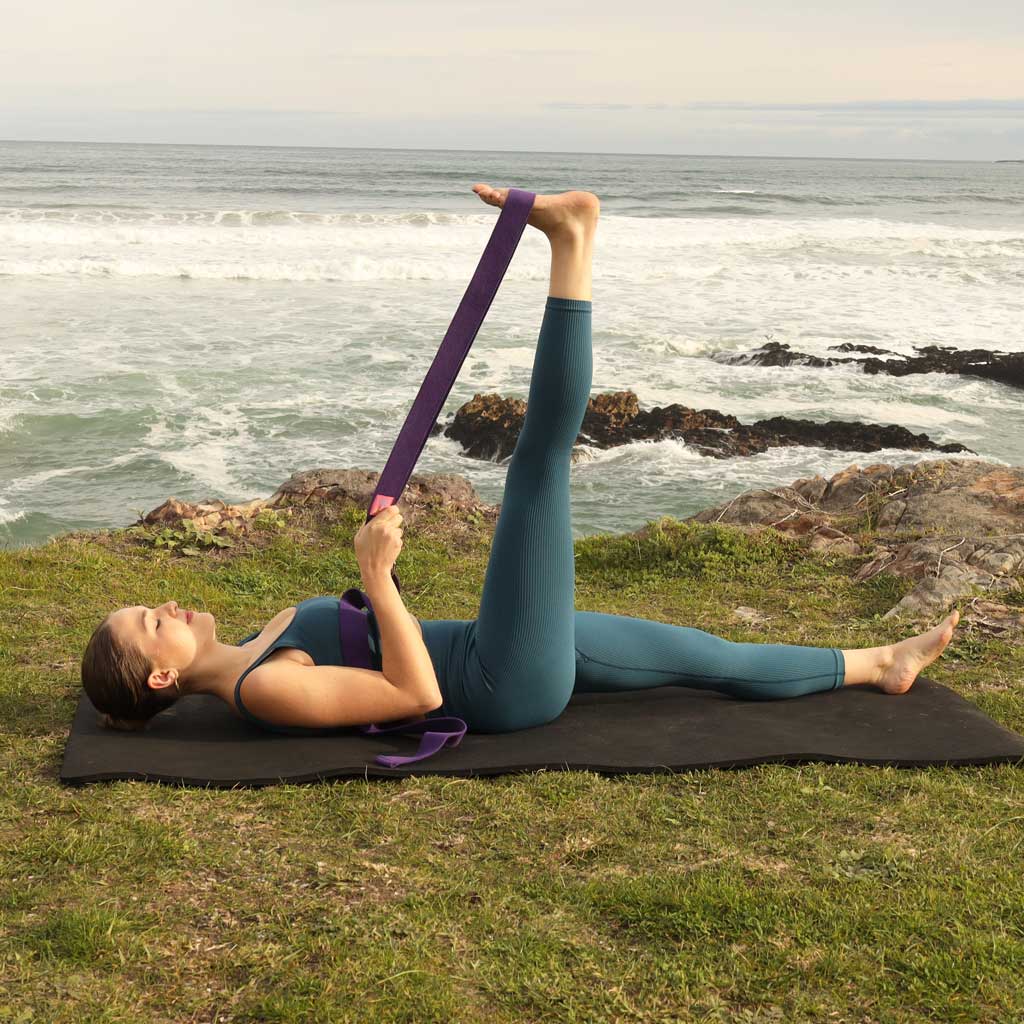
D-Ring vs Cinch Buckle Yoga Straps:
What's the difference?
Discover which buckle type offers better durability, adjustability, and comfort.
by: Nate Navarro
Last Updated: 15 March 2026
When shopping for a yoga strap, most people focus on length and material. But another important feature that affects usability and durability is the buckle type.
The two most common strap closures are:
- D-ring buckles
- Cinch buckles (sometimes called pinch or quick-release buckles)
Both options allow you to adjust the strap length for stretching and mobility work. However, they function differently and can change how comfortable and convenient the strap is during practice.
In this guide, we’ll explain the differences between D-ring vs cinch buckle yoga straps so you can choose the best option for your practice.
What Is a D-Ring Yoga Strap?
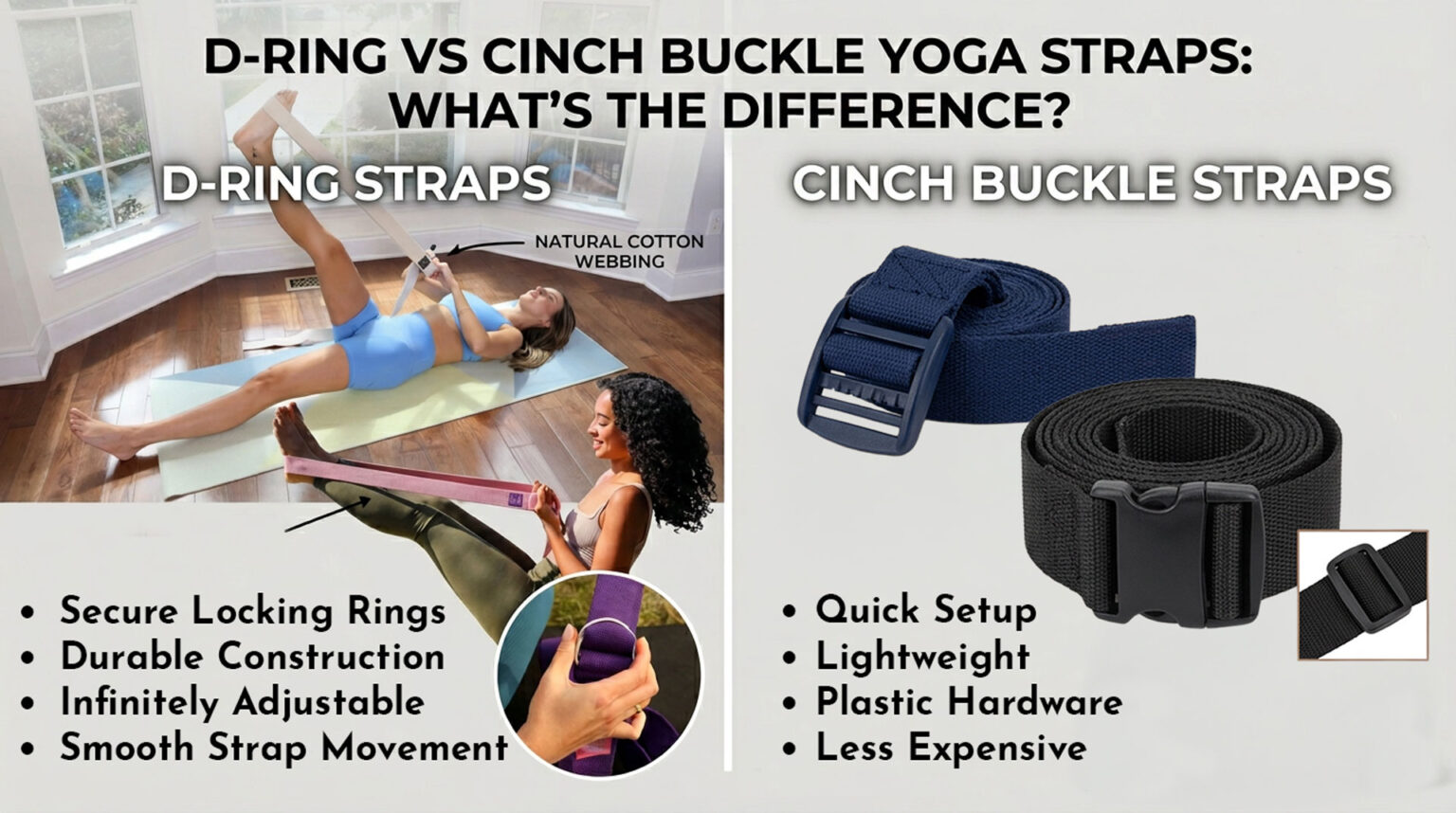
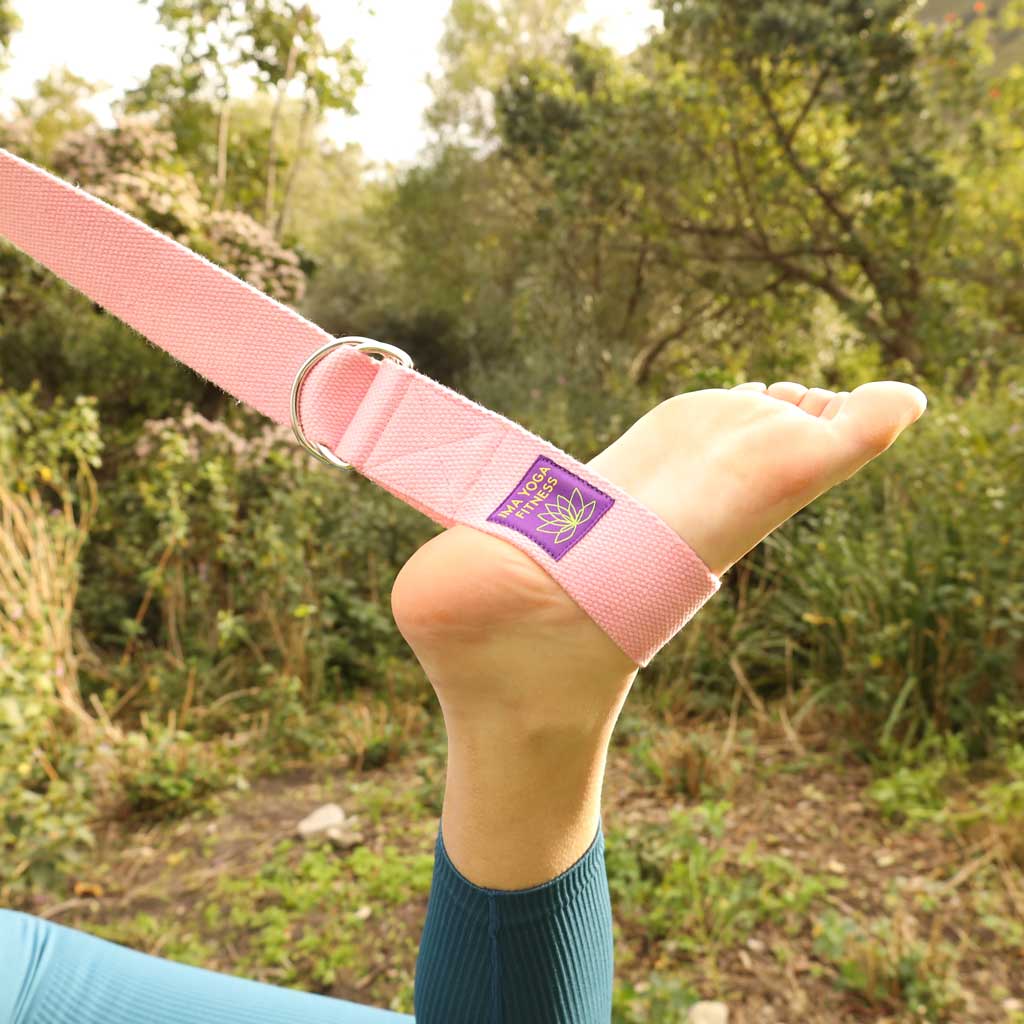
A D-ring yoga strap uses one or two metal rings shaped like the letter “D” to create an adjustable loop. The strap threads through the rings and friction holds it securely in place.
This is the most common buckle design used in yoga straps.
How D-Ring Straps Work
To adjust the strap:
- Thread the strap through both rings.
- Loop it back through one ring.
- Pull the free end to tighten or loosen.
The friction created between the strap and rings keeps the loop secure during stretching.
Benefits of D-Ring Yoga Straps
Easy adjustments
D-ring buckles allow small adjustments quickly, which can be helpful when holding yoga poses or deep stretches.
Durable construction
Metal D-rings are known for durability and tend to last longer than plastic buckle systems.
Smooth strap movement
The strap glides smoothly through the rings, making it easier to fine-tune tension during practice.
Very secure loop
The loop feels extremely secure once tightened, especially with a high quality cotton webbing.
Because of these advantages, D-ring straps are widely used in yoga studios and by experienced practitioners.
See our pick: Browse Yoga Straps
What Is a Cinch Buckle Yoga Strap?
A cinch buckle yoga strap uses a plastic buckle mechanism that locks the strap in place when tension is applied.
The strap threads through the buckle, and when pulled tight, the buckle clamps down to prevent slipping.
Cinch buckles are commonly used on general fitness stretching straps and some yoga straps.
Benefits of Cinch Buckle Straps
Quick setup
Many cinch buckles allow the strap to be adjusted with one hand while holding a pose.
Lightweight hardware
Plastic buckles weigh less than metal rings, which can be convenient when carrying gear to classes.
Price
The cinch strap is lower due to the plastic buckle being typically paired with a synthetic webbing material like nylon or polyester.
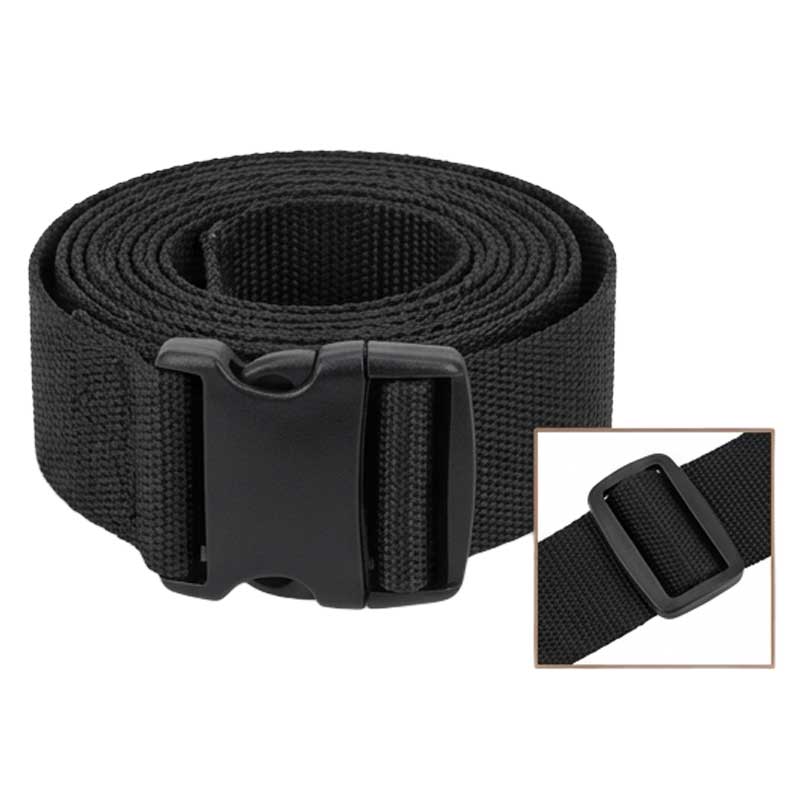
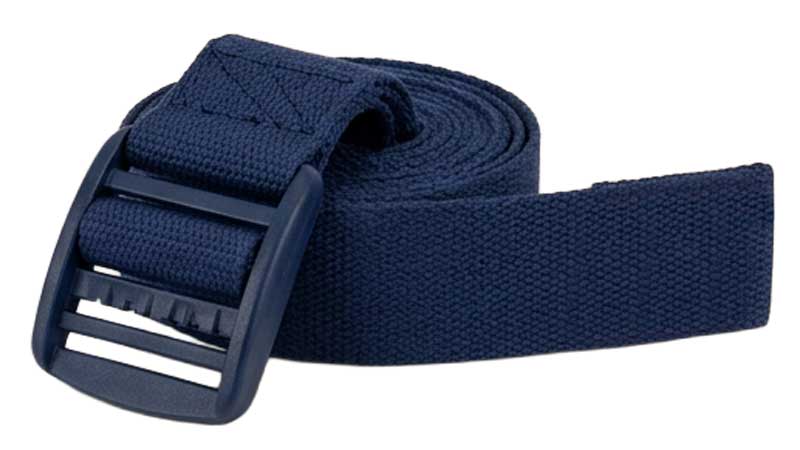
Key Differences Between D-Ring and Cinch Buckle Yoga Straps
| Feature | D-Ring Buckle | Cinch Buckle |
|---|---|---|
| Adjustment | Smooth and easy | Quick locking mechanism |
| Durability | Very durable metal hardware | Plastic may wear over time |
| Control | Fine tension adjustments | Strong lock once tightened |
| Popularity | Most common yoga strap design | Less common in yoga practice |
| Weight | Slightly heavier | Lightweight |
Both buckle styles work effectively for stretching and mobility exercises.
However, many yoga practitioners prefer D-ring straps for their balance of durability and control.
Which Buckle Type Is Best for Yoga Practice?
The best buckle type often depends on how you plan to use your strap.
Choose a D-Ring Yoga Strap if you want:
- Precise tension adjustments
- Long-lasting metal hardware
- A traditional yoga strap design
D-ring straps are especially useful for:
- Hamstring stretches
- Shoulder mobility work
- Long hold poses in yoga or mobility training
Choose a Cinch Buckle Strap if you want:
- Lightweight equipment
- Lower cost
Some practitioners prefer cinch buckles for quick setup during general stretching routines.
Why Many Yoga Practitioners Prefer D-Ring Straps
While both buckle styles work, the D-ring design has become the standard in yoga practice.
The reason is simple: it offers a combination of durability, adjustability, and reliability.
Metal D-rings allow the strap to slide smoothly for precise adjustments, which can be helpful when deepening stretches or holding restorative poses.
Because of these advantages, many high-quality yoga straps continue to use metal D-ring hardware.
Final Thoughts
Both D-ring and cinch buckle yoga straps can support stretching and mobility exercises.
However, they offer different advantages.
D-ring straps
- Durable metal hardware
- Smooth adjustment
- Traditional yoga strap design
Cinch buckle straps
- Lightweight plastic buckle
- Quick locking mechanism
- Simple adjustments
For many practitioners, a well-constructed cotton yoga strap with metal D-rings provides the best balance of comfort, control, and dependability.
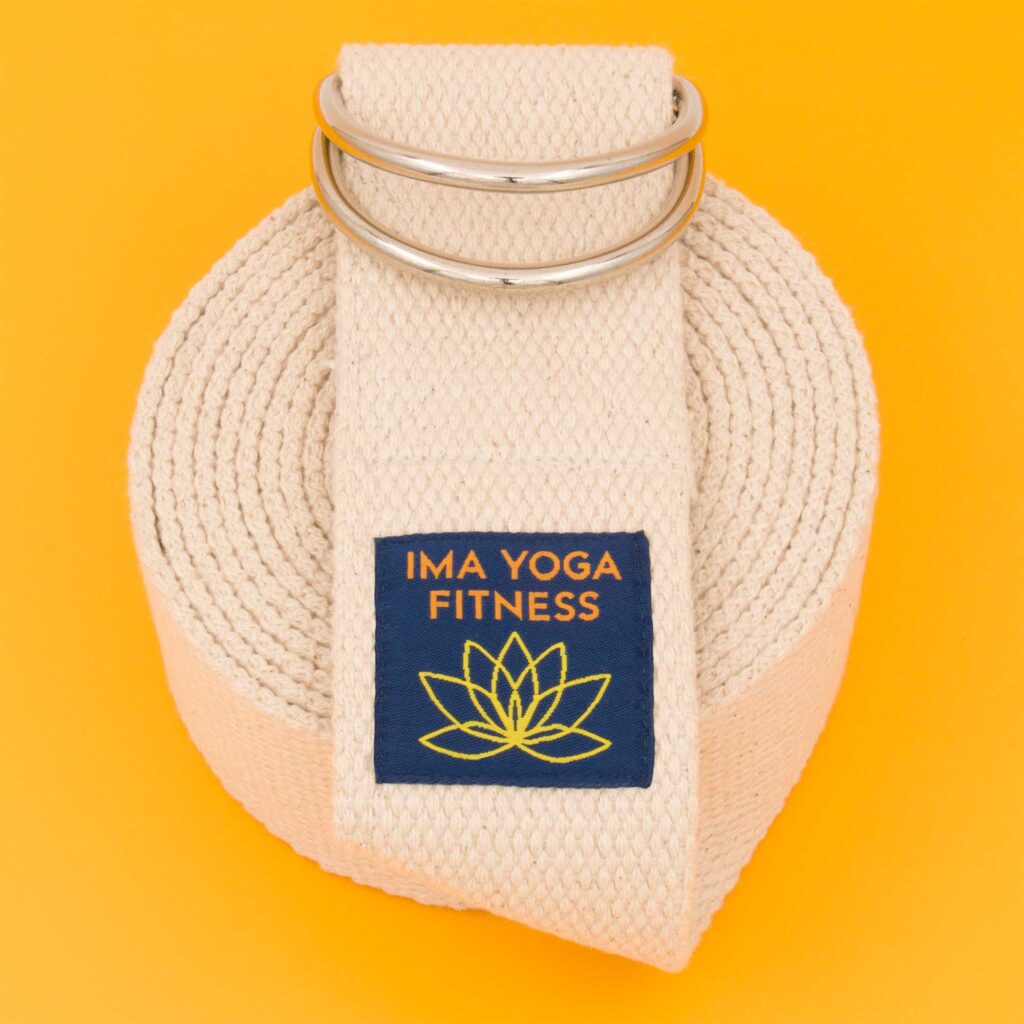
Our Favorite: Ima Yoga Fitness – Adaptive Yoga Strap
You may also like:
FAQ: Frequently Asked Questions
Are D-ring yoga straps better than cinch buckle straps?
D-ring yoga straps are often preferred because they provide smoother adjustments and durable metal hardware. Many practitioners find them easier to fine-tune during stretches or yoga poses.
Do cinch buckle yoga straps slip?
Cinch buckle straps are designed to lock securely when tension is applied. However, the plastic hardware may not be as durable as metal D-rings over long-term use.
What buckle type do most yoga straps use?
Most traditional yoga straps use metal D-ring buckles because they are durable, easy to adjust, and reliable during stretching exercises.
AI-Assisted Content & Disclaimer: This article may include content generated or assisted by artificial intelligence (AI). It is intended for informational purposes only and should not be considered professional or medical advice. For more details, see our Artificial Intelligence (AI) Policy.